Düzce University – Botanical Garden

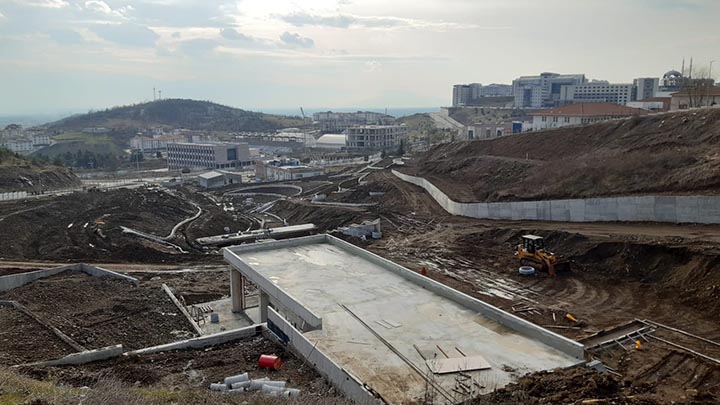
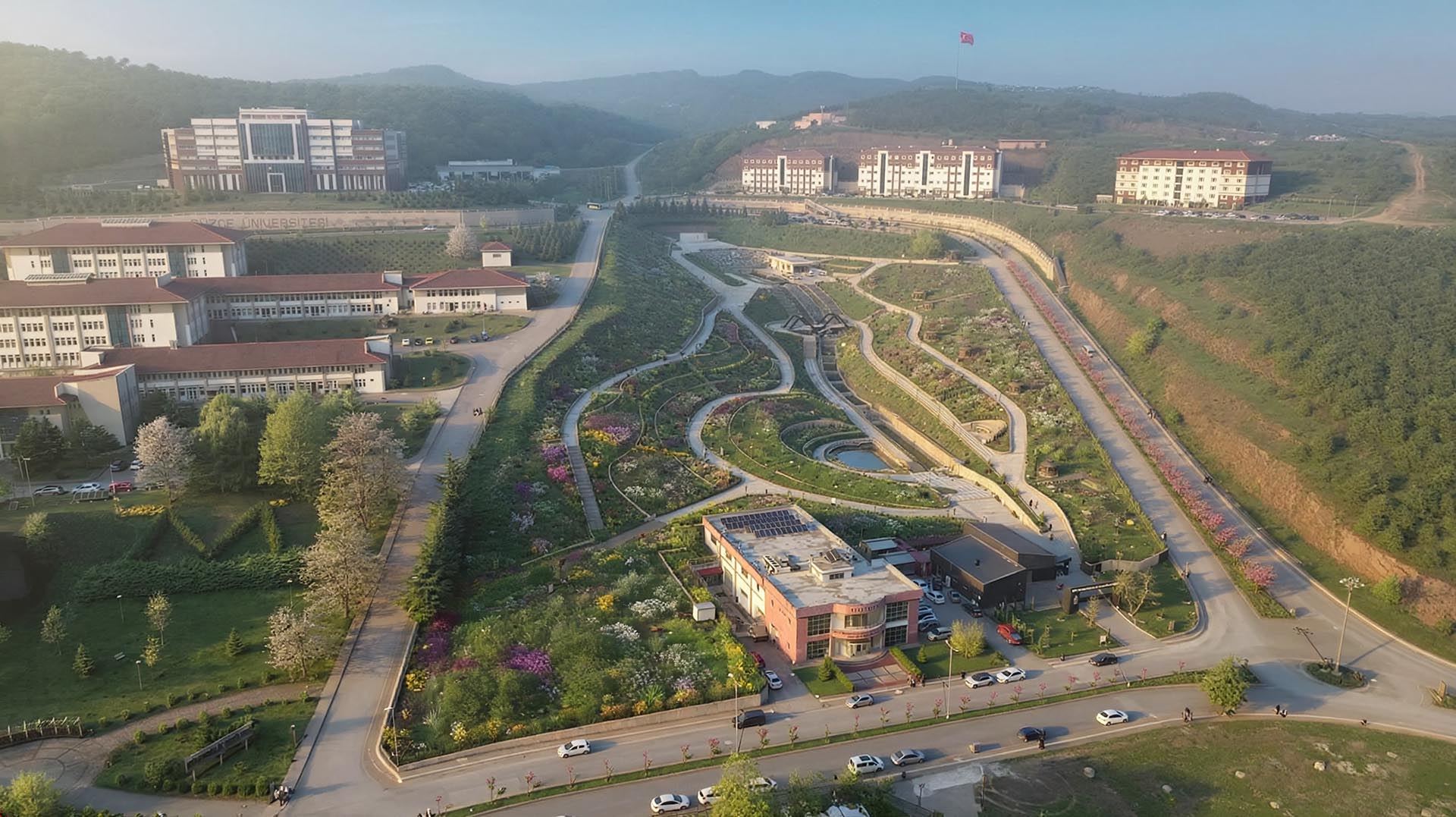
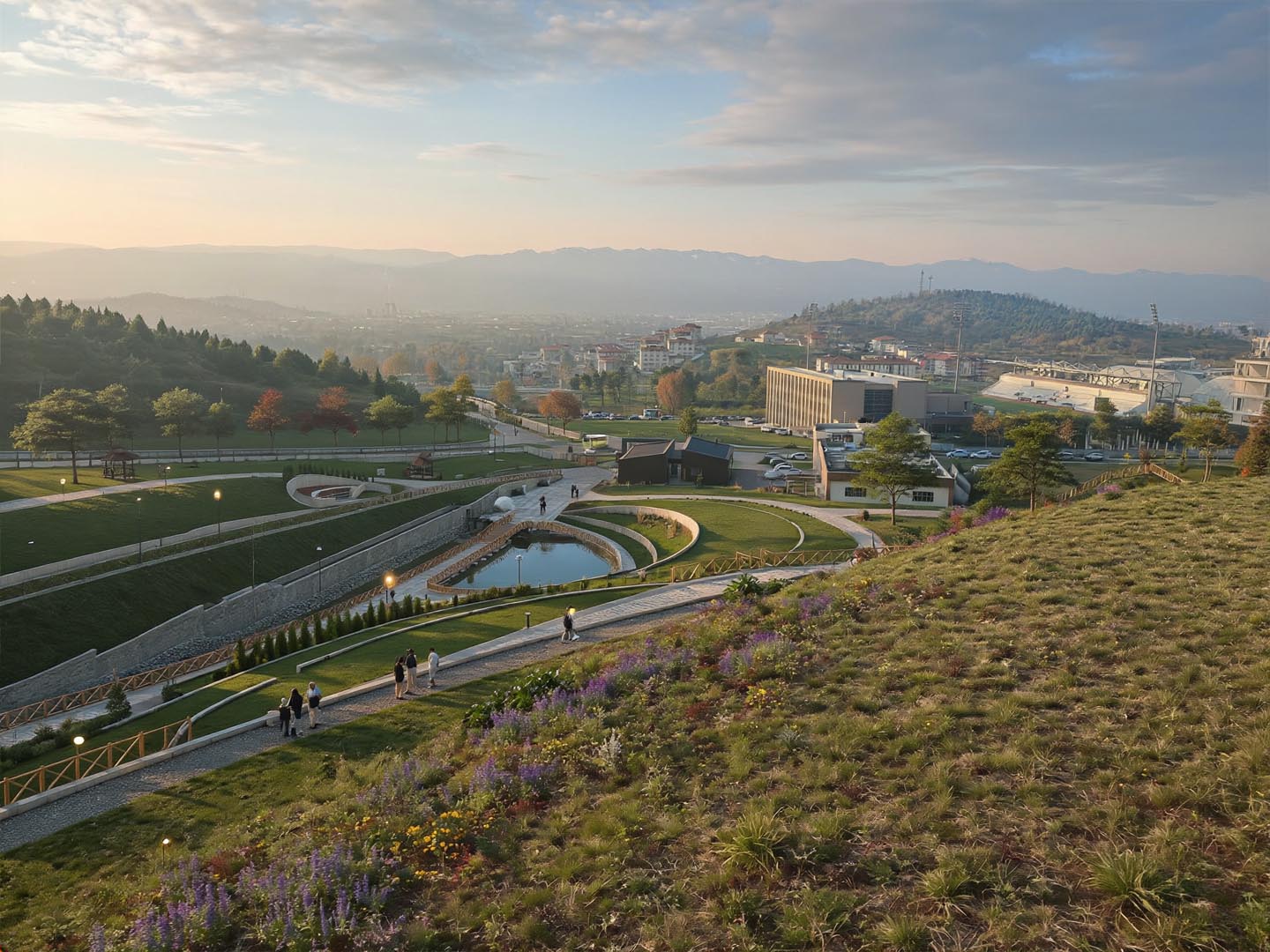
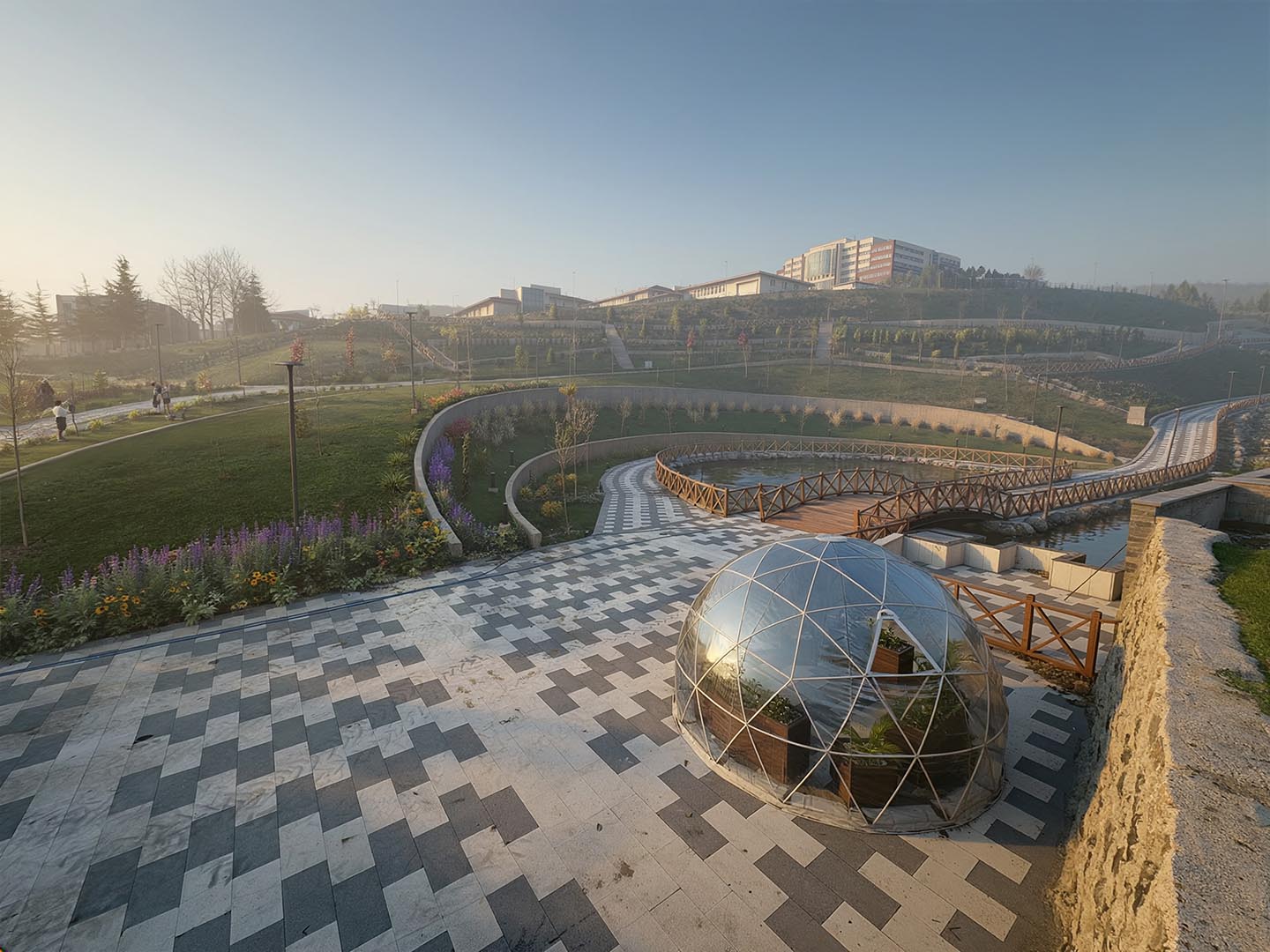
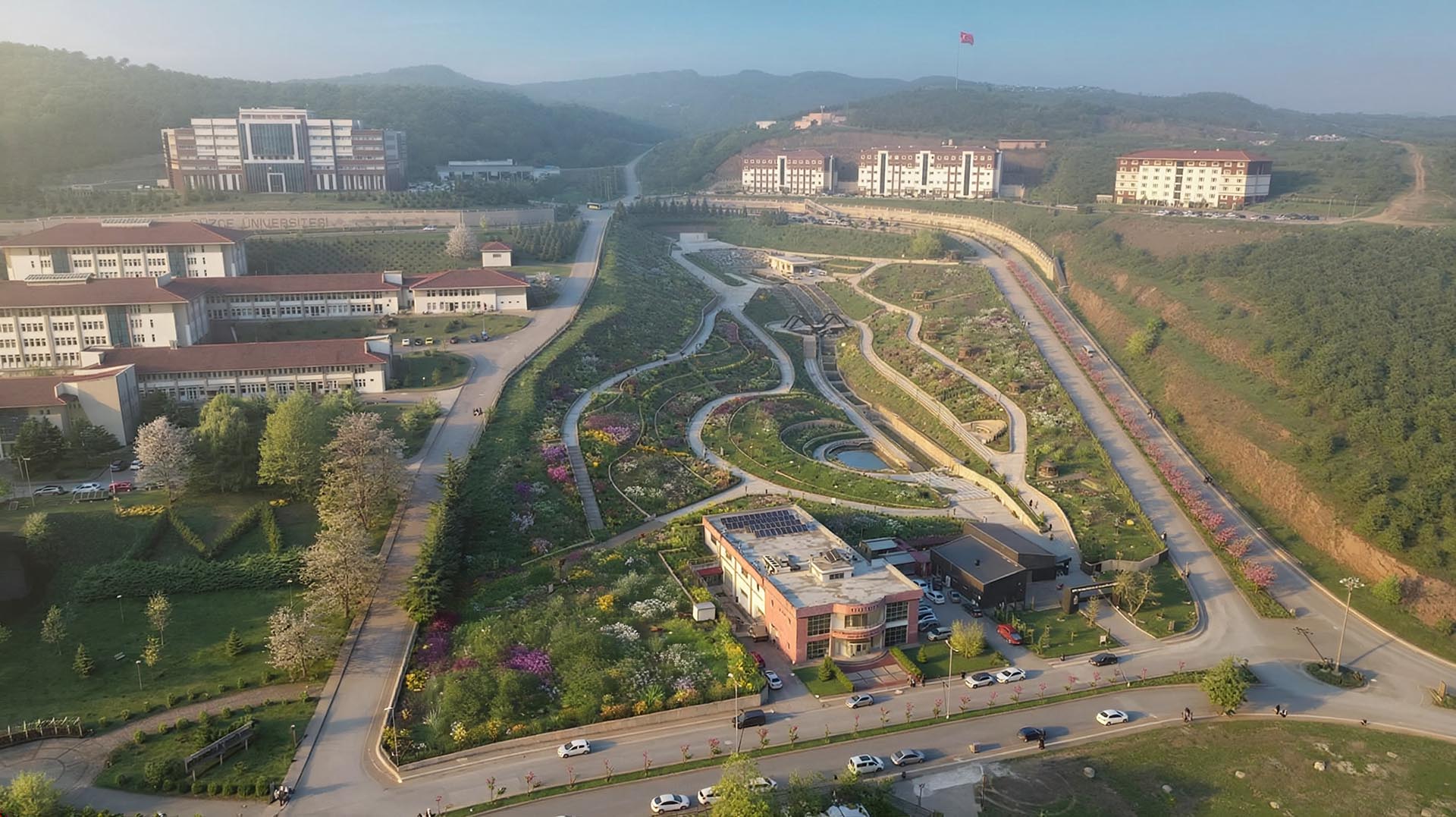
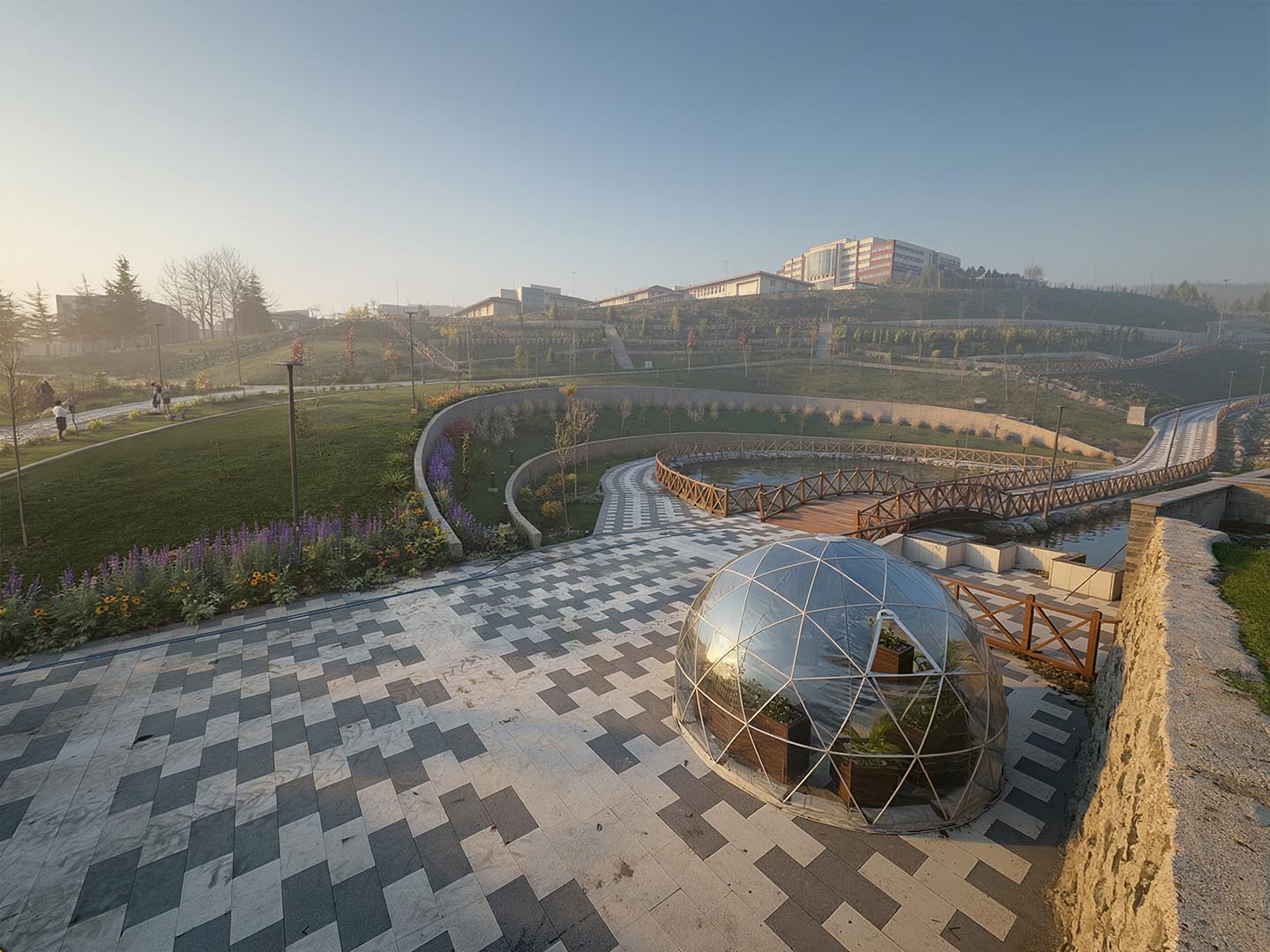
Located in a natural valley of approximately 51,500 m² at the centre of Düzce University’s Konuralp Campus, north of Düzce, the site was transformed into a botanical garden that introduces a scientific and social dimension to everyday campus life. Developed in 2017 for an area designated as a botanical garden within the 2014 Urban Design Competition for the Campus Development Plan, the project establishes an integrated landscape system that brings together research, conservation and recreational functions at the scales of the university, the city and the wider region.

Site Conditions and Design Inputs
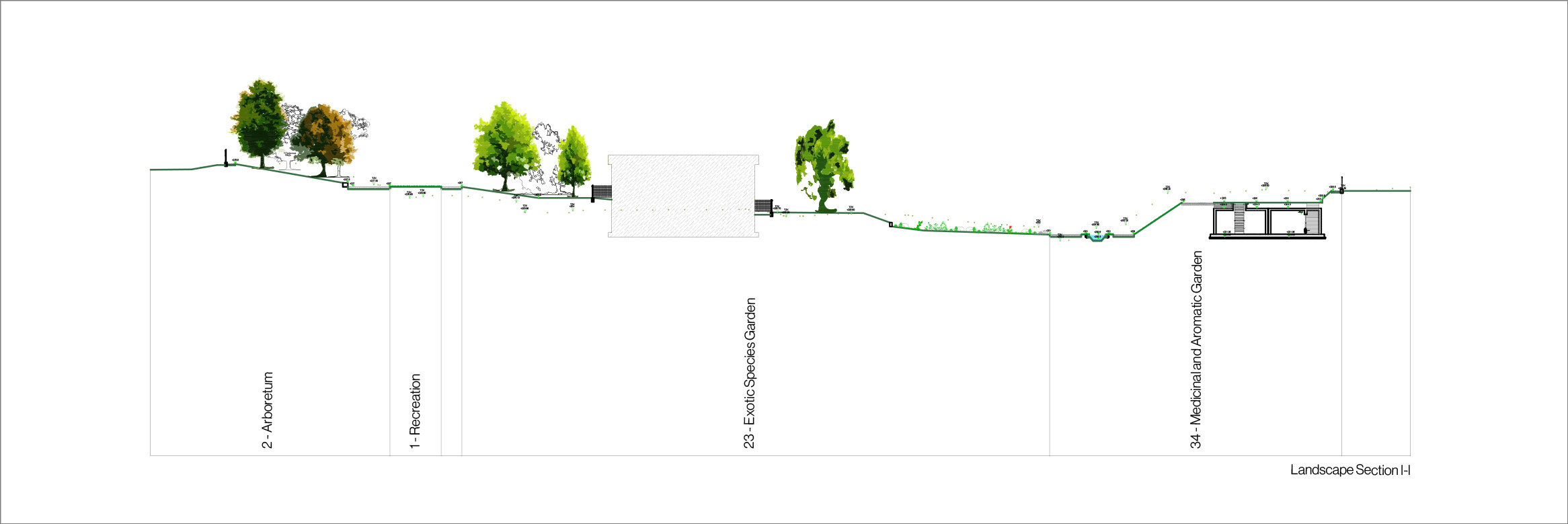
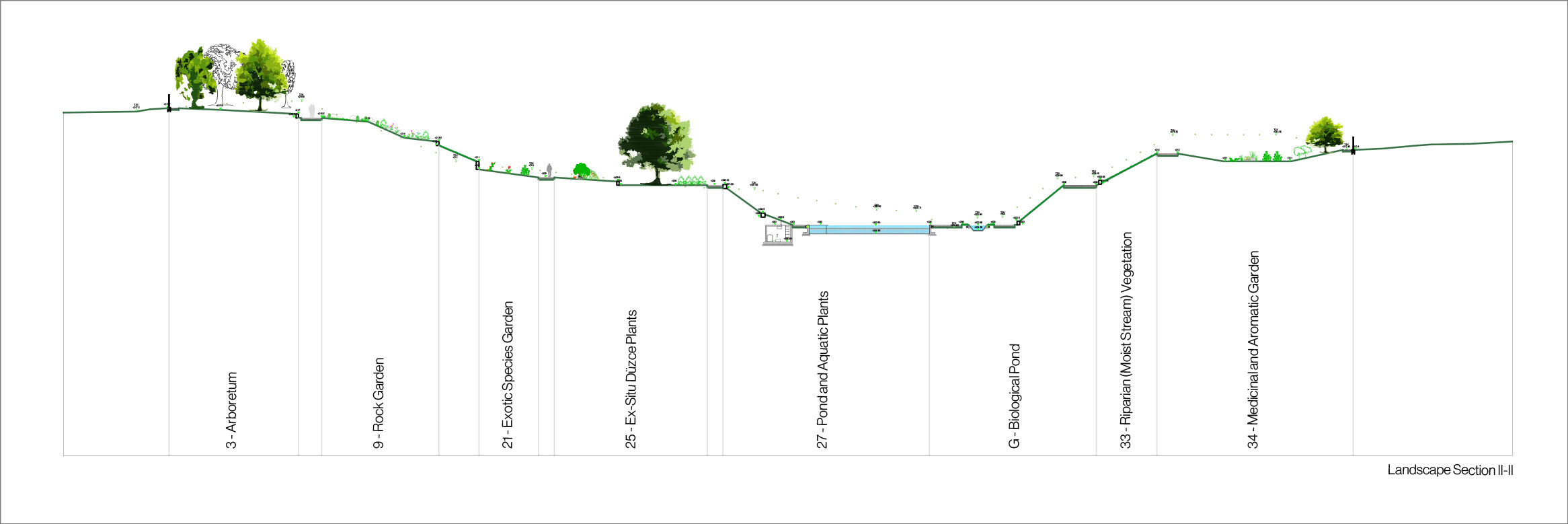
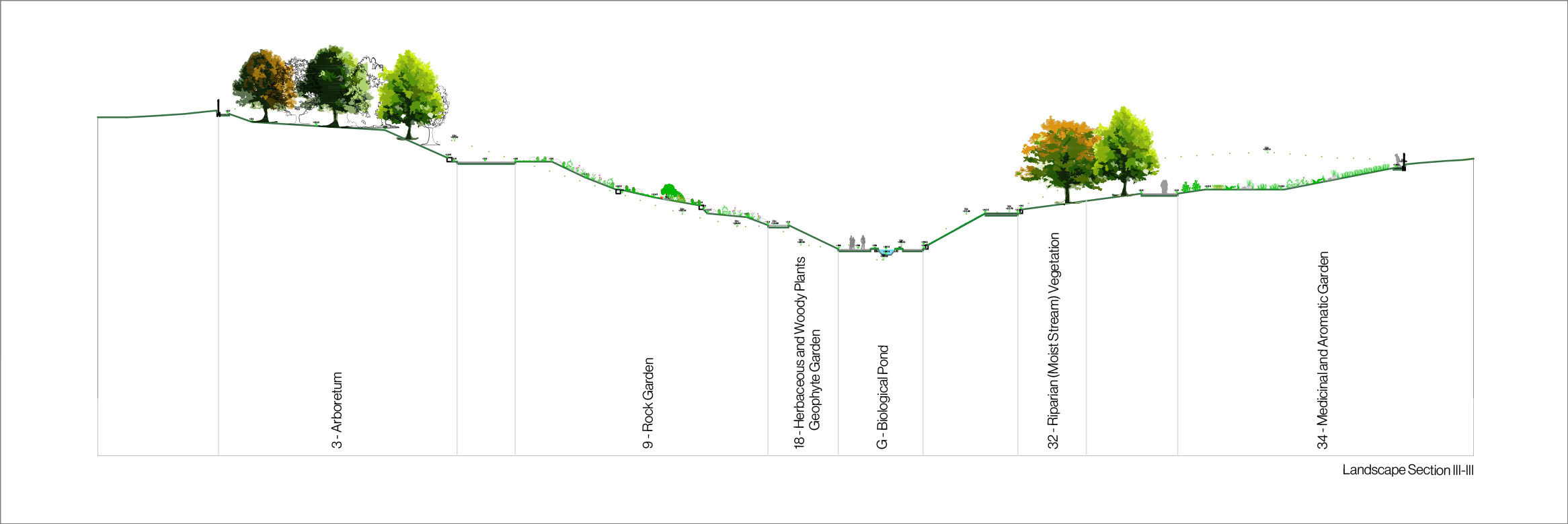
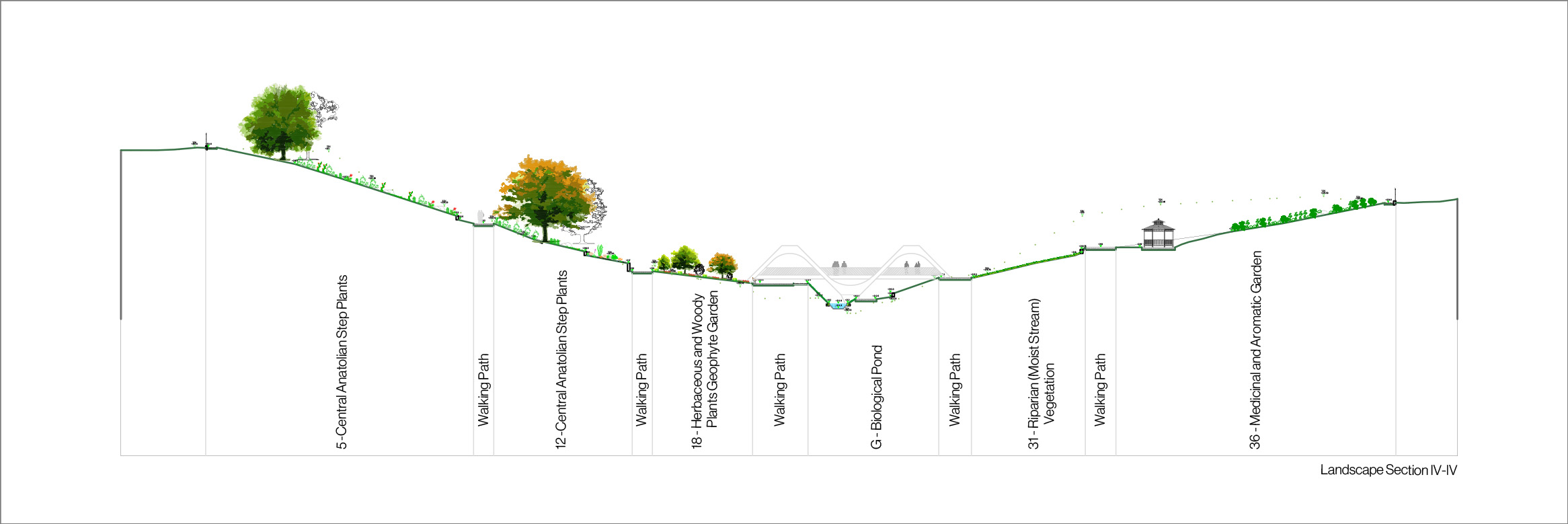
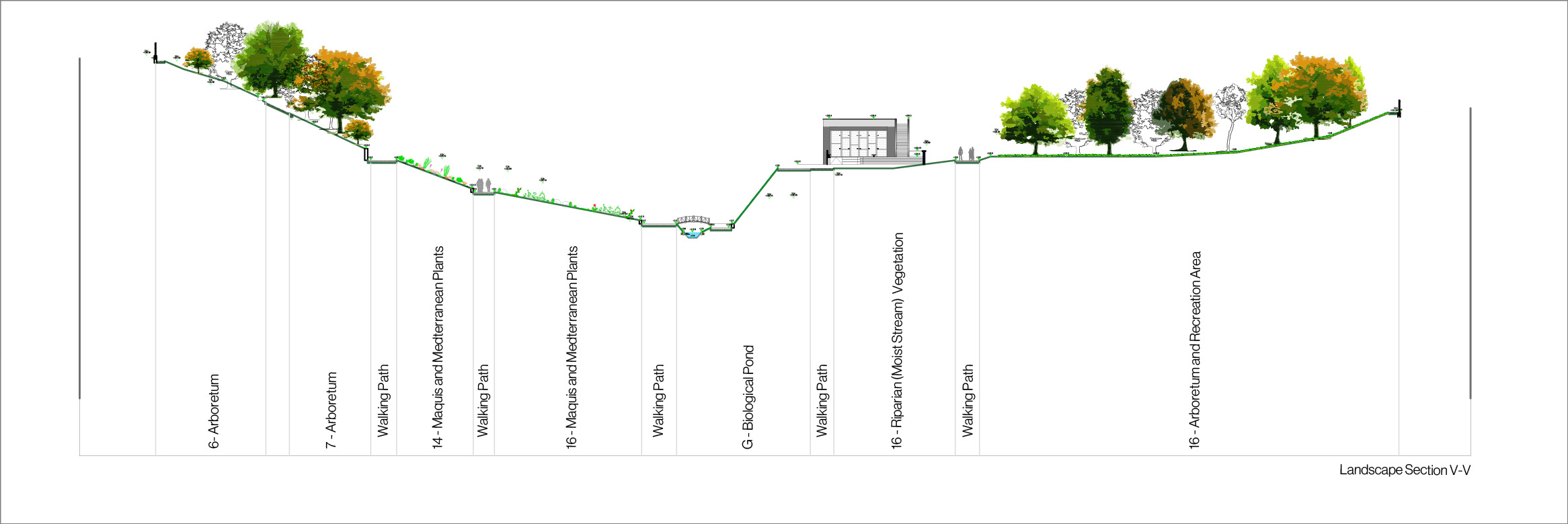
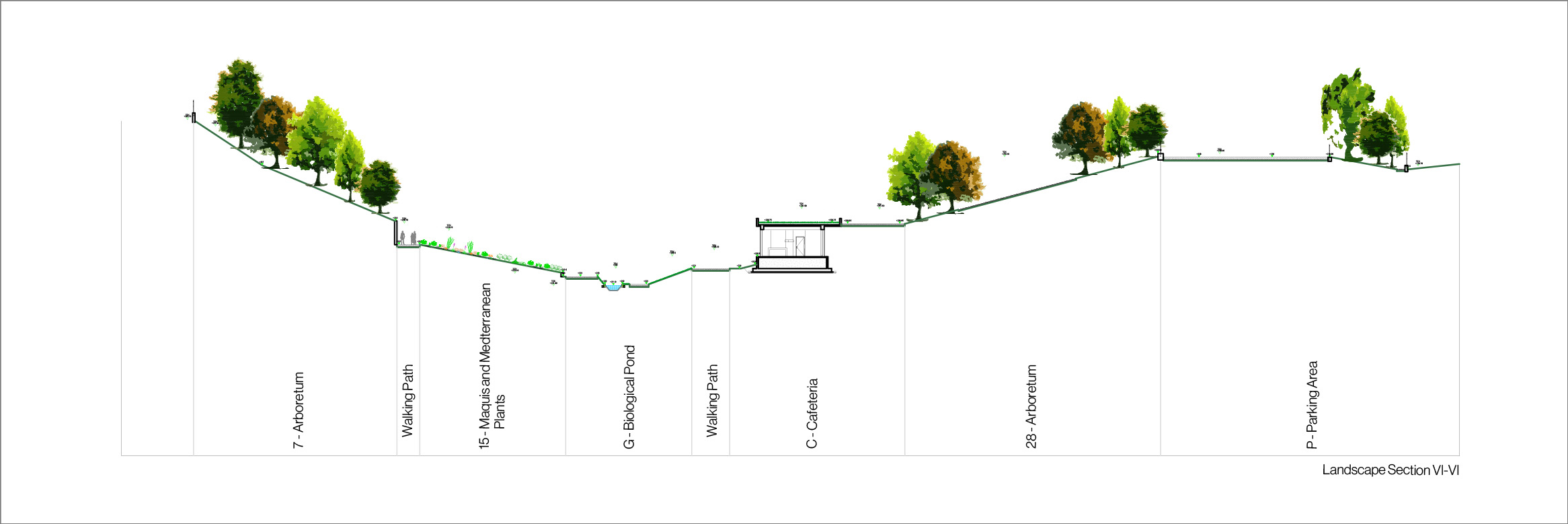
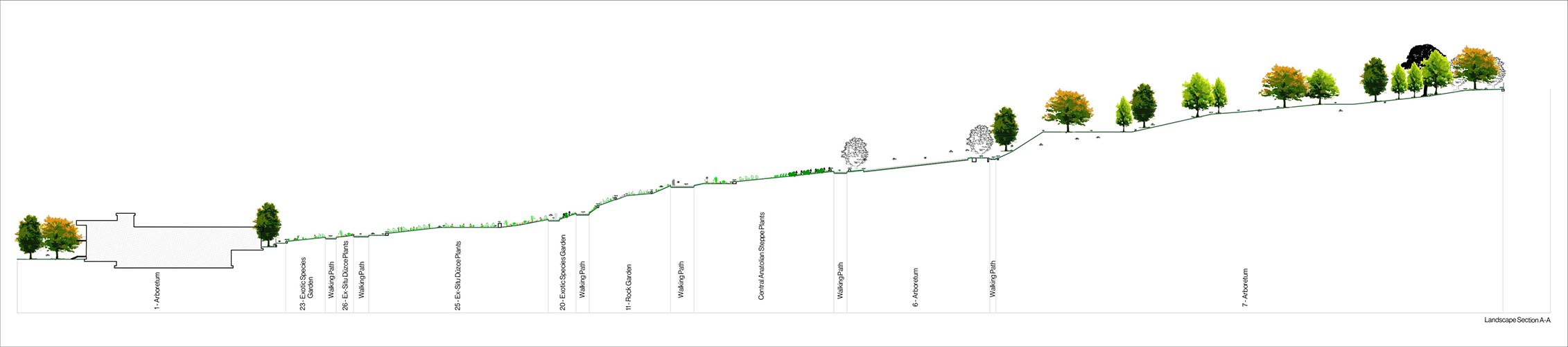
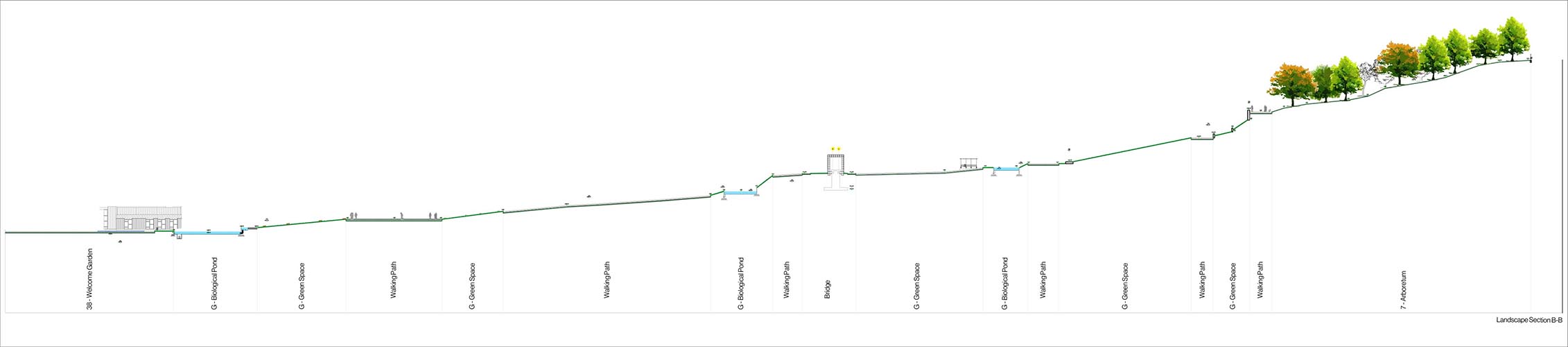
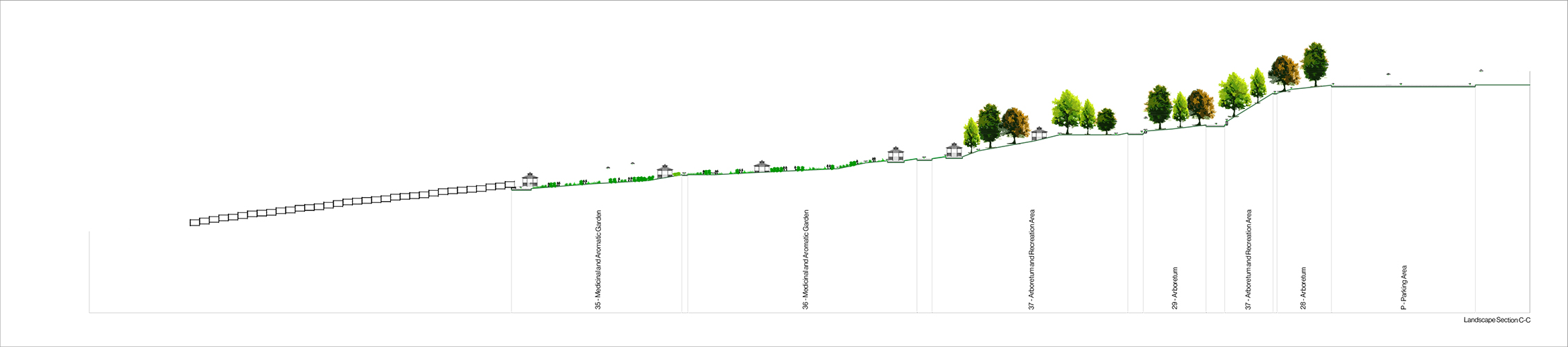
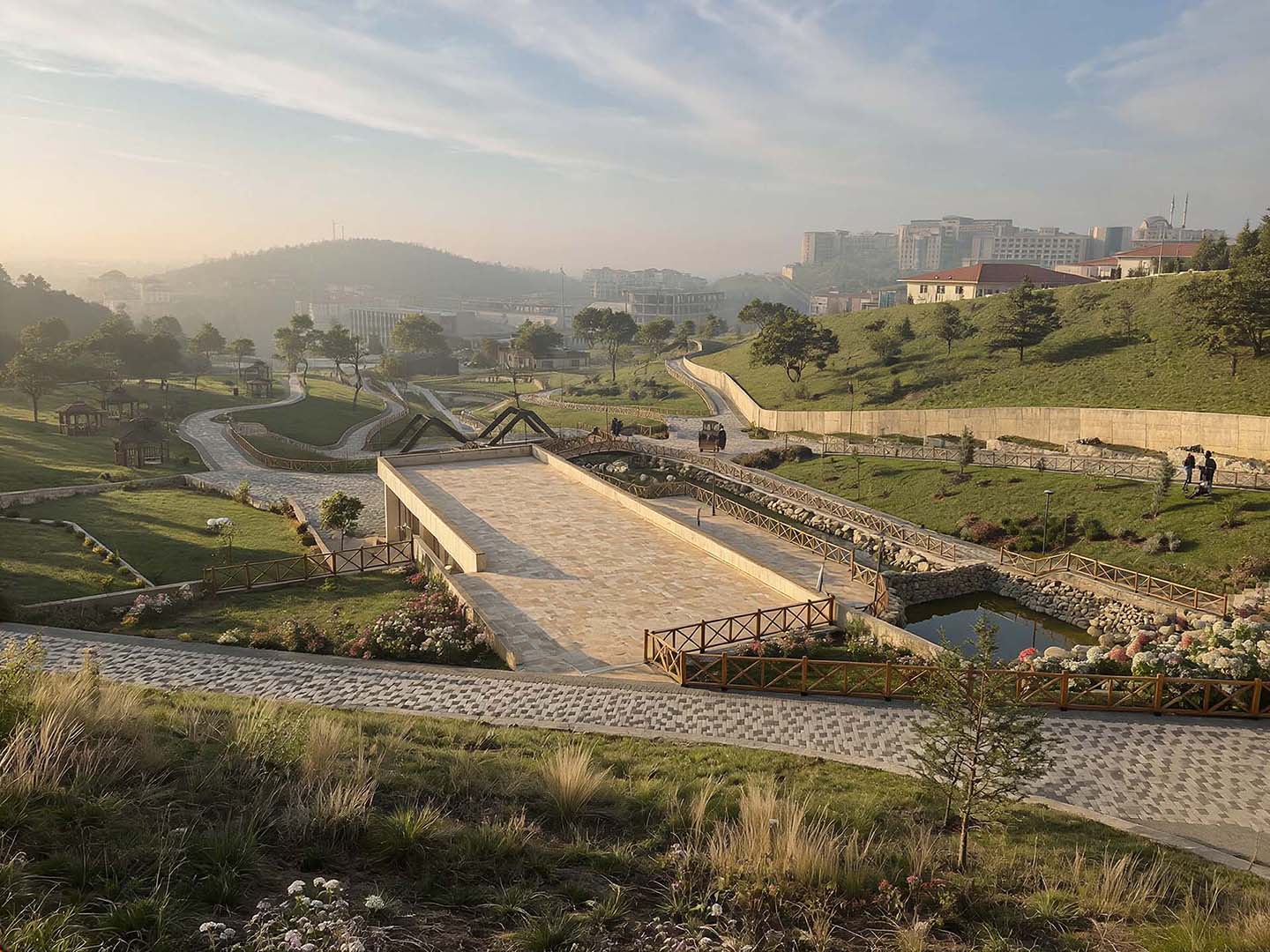
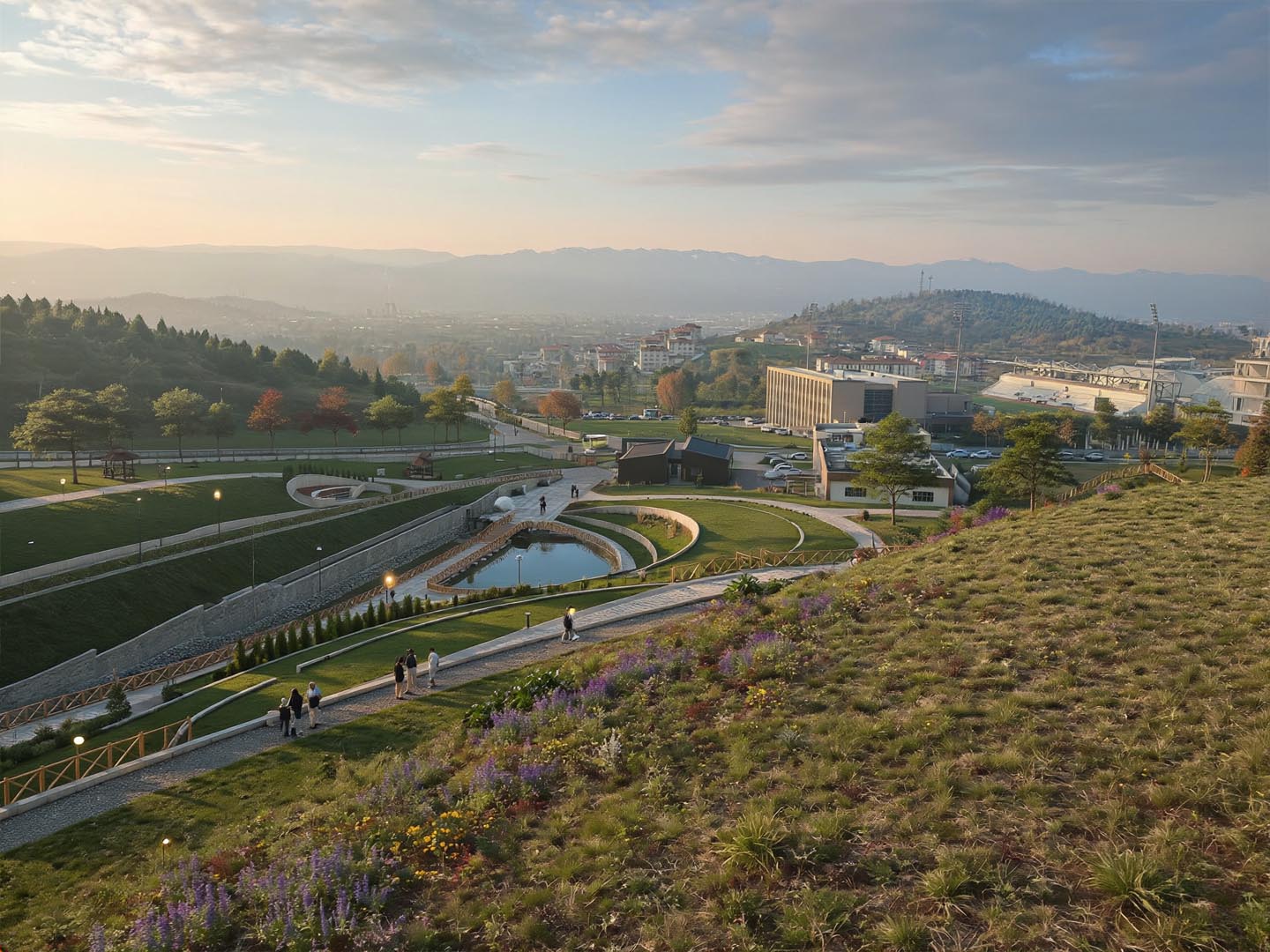
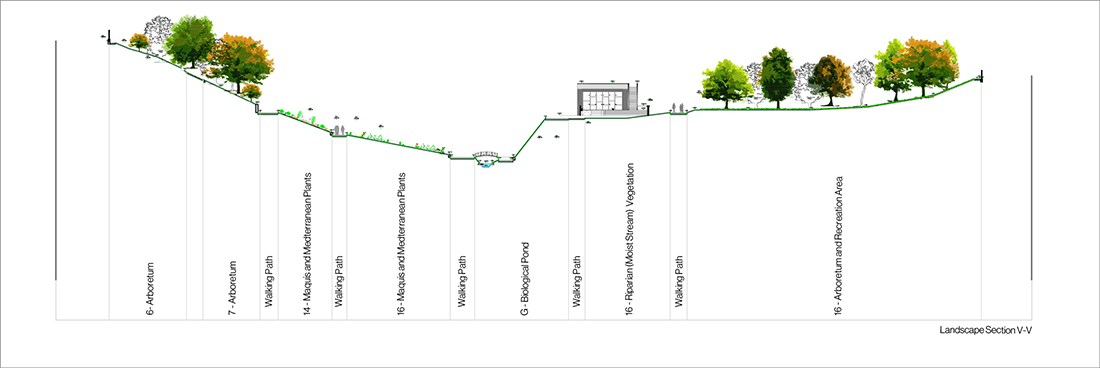
The physical characteristics and topographical conditions of the site were among the primary inputs informing the design. Although the valley is characterised by steep slopes at a regional scale, its gradient is not uniform throughout the site. Instead, the terrain reveals a distinctive topography in which sharp changes in elevation alternate with softer transitions.


This condition called for a system that would not impose a conventional landscape structure, but rather read and extend the natural movement of the terrain. We developed the design around this principle, focusing on preserving the natural morphology of the site while addressing challenging access conditions and spatially disadvantaged areas through targeted interventions that could transform these constraints into opportunities.


Circulation System Approach

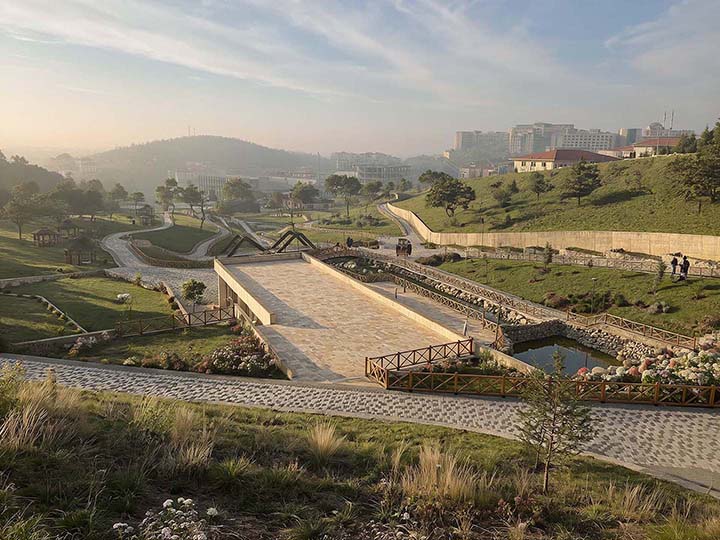
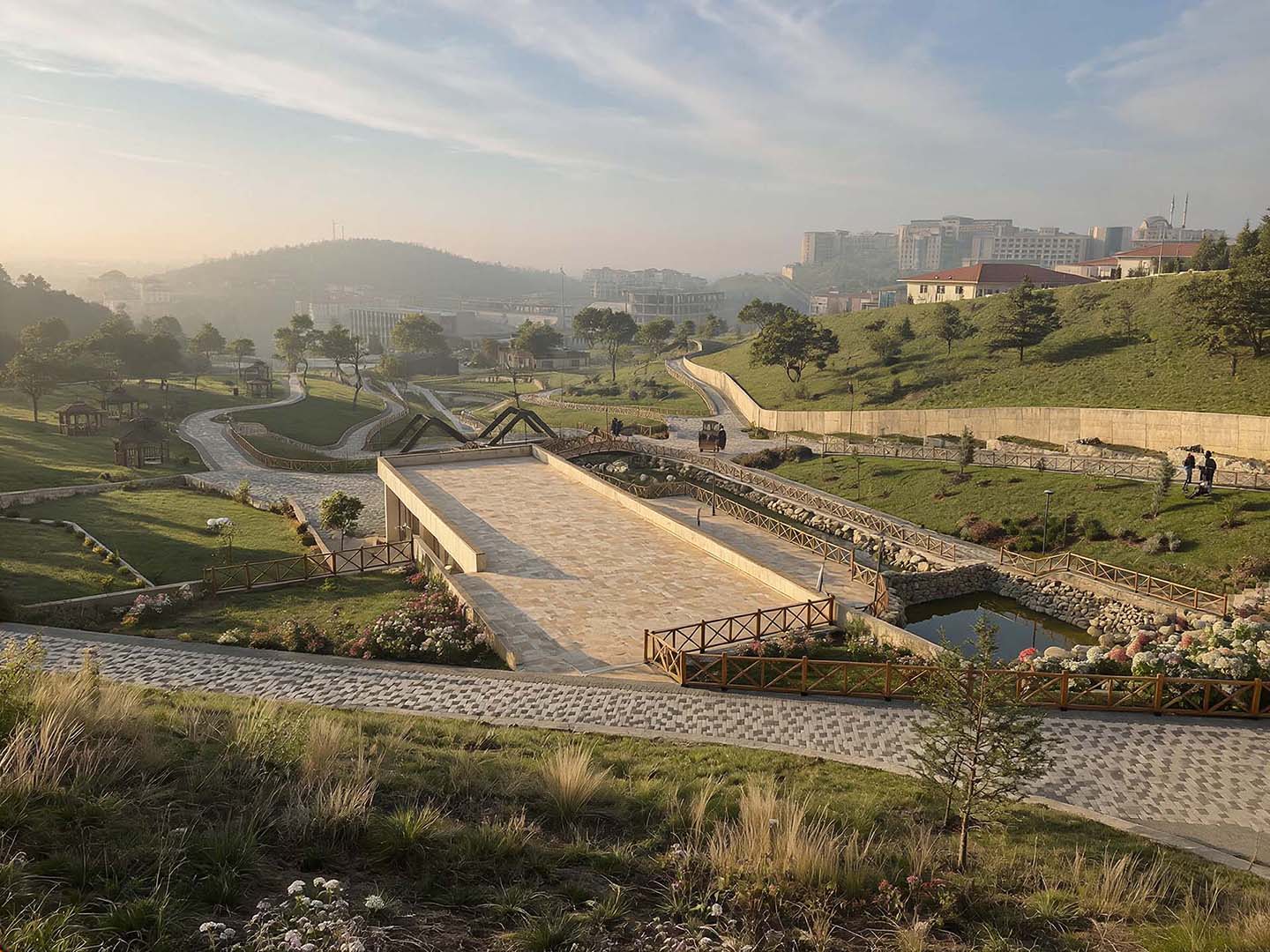
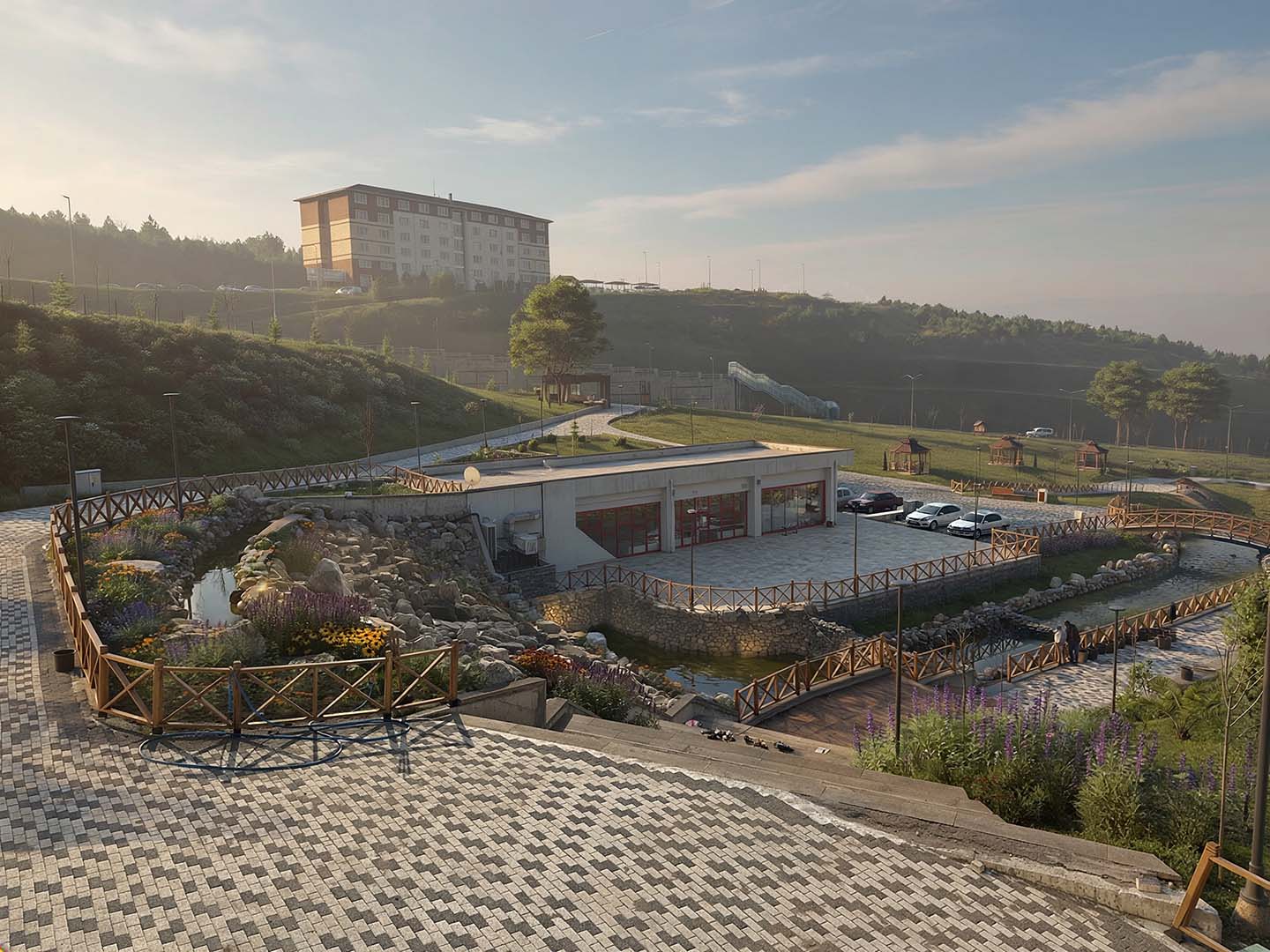
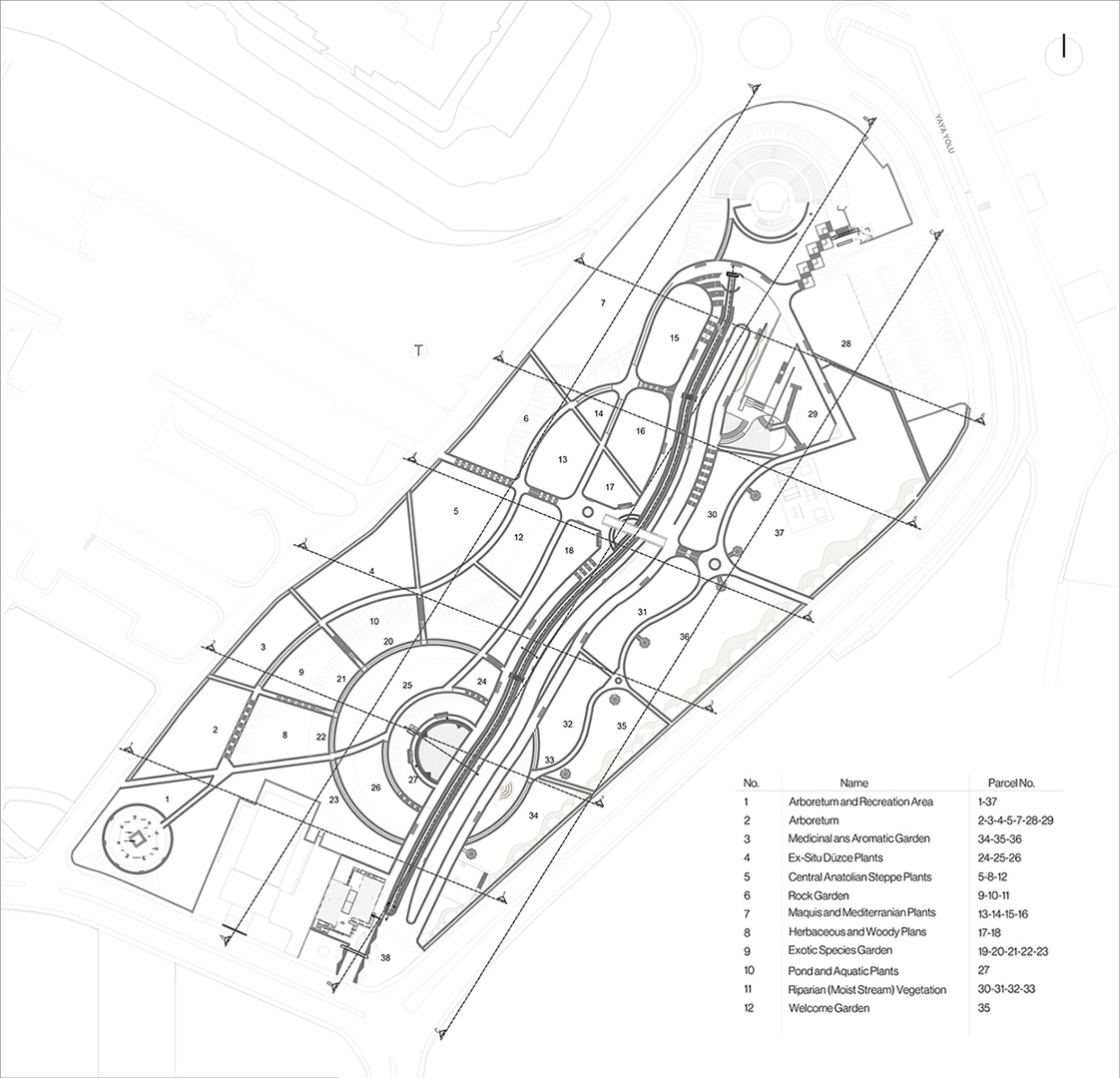
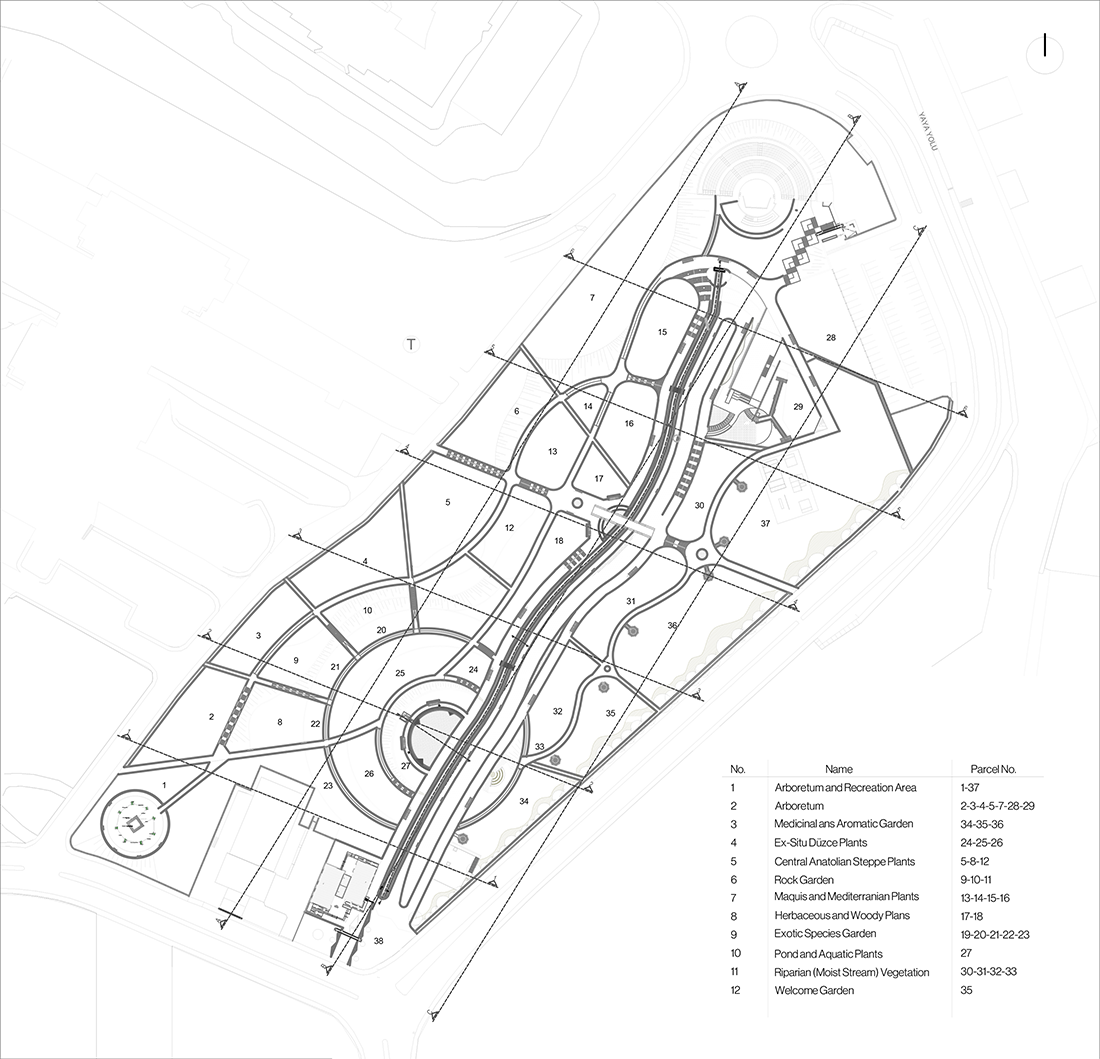
The resulting circulation strategy connects a series of pathways running parallel to the slope through ramps and stairways, establishing a gradual yet continuous transition between different levels. The steepness of the valley thus becomes more than a physical constraint: it becomes a spatial device that progressively introduces visitors to the landscape and structures their experience of the garden.


Parcelation and Thematic Structure

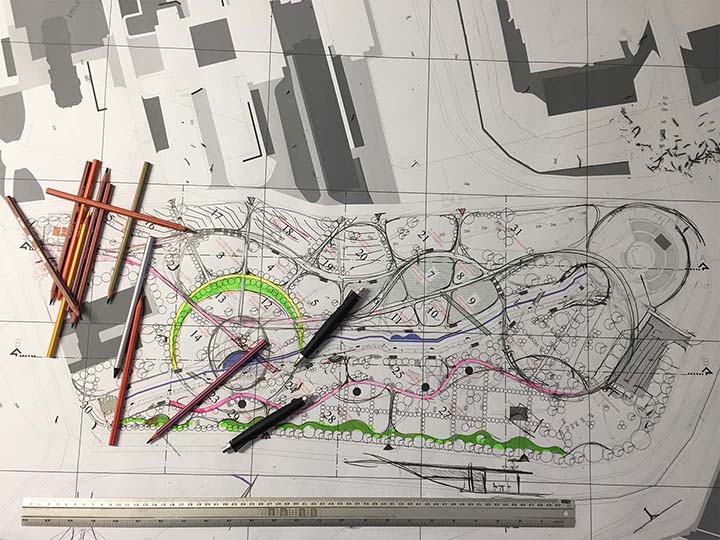
The parcels defined by the circulation system were organised into fourteen thematic units, making use of the site’s varying aspects and microclimatic conditions. Areas such as the Rock Garden, Arboretum, a collection dedicated to endemic plant species of Düzce, and wet-stream vegetation zones were conceived as distinct units, each with its own ecological and aesthetic character. At the same time, the continuity of the circulation network allows these individual environments to be perceived as parts of a single spatial and landscape system.


Model Making and Design Development

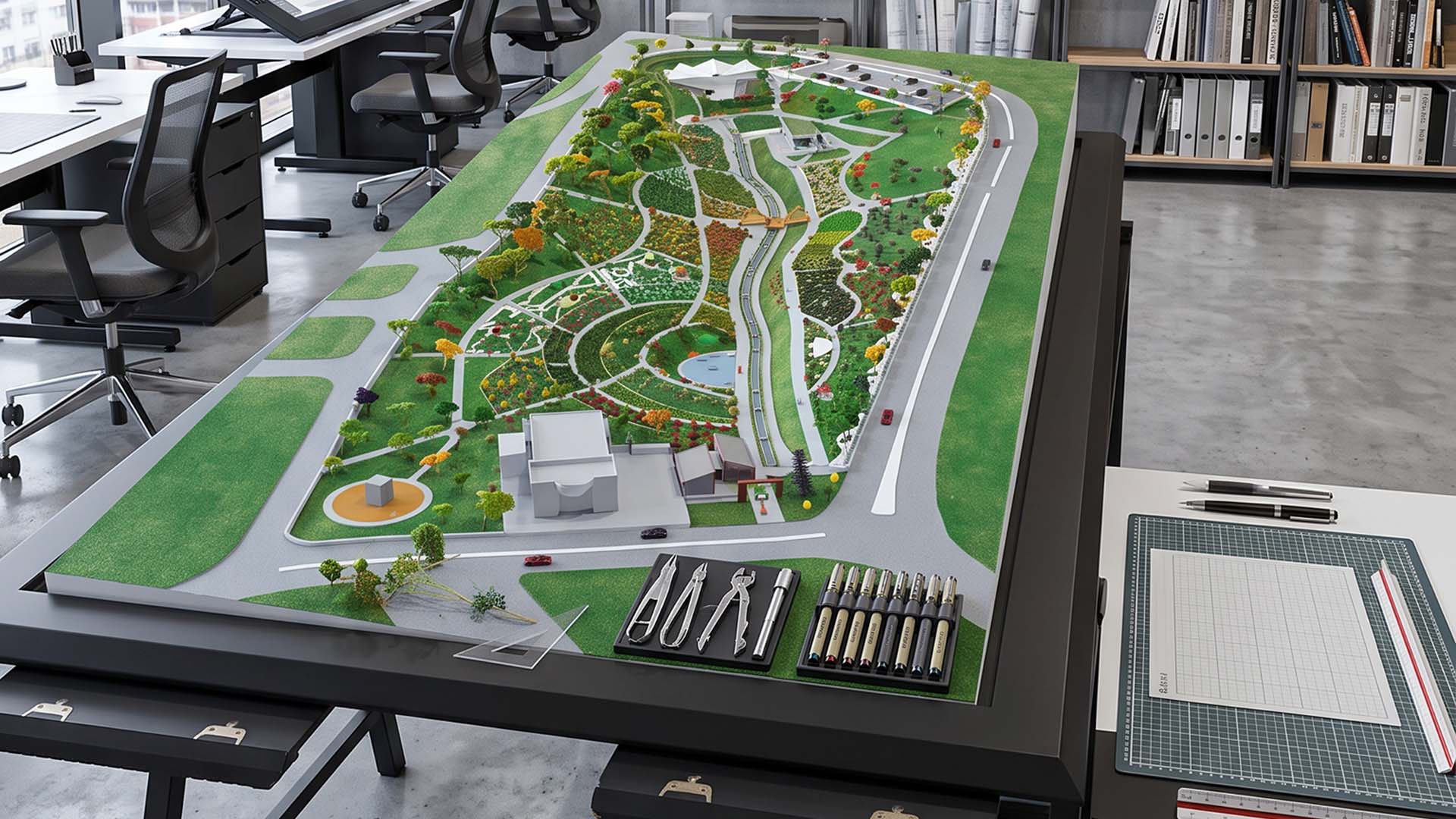
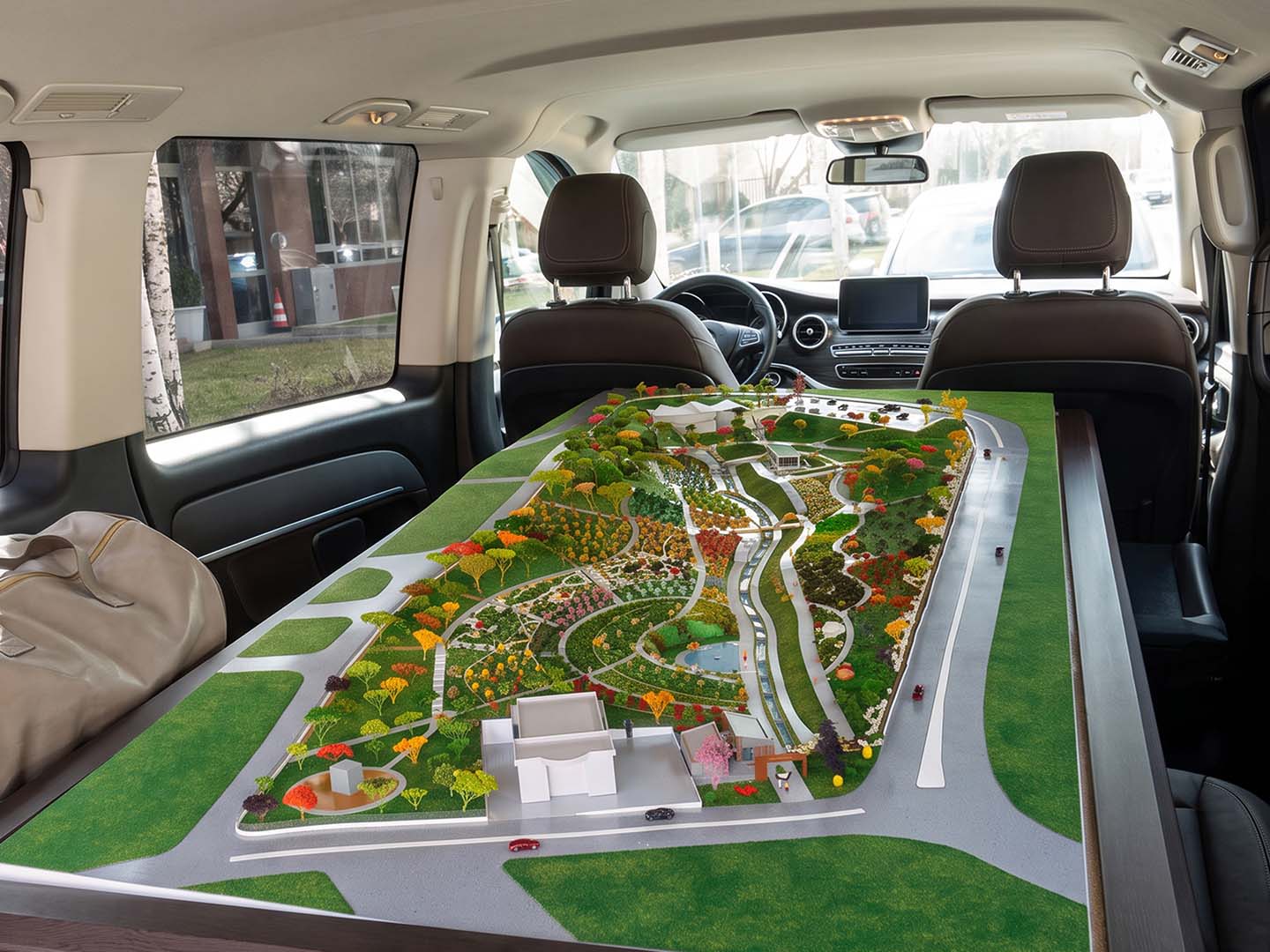
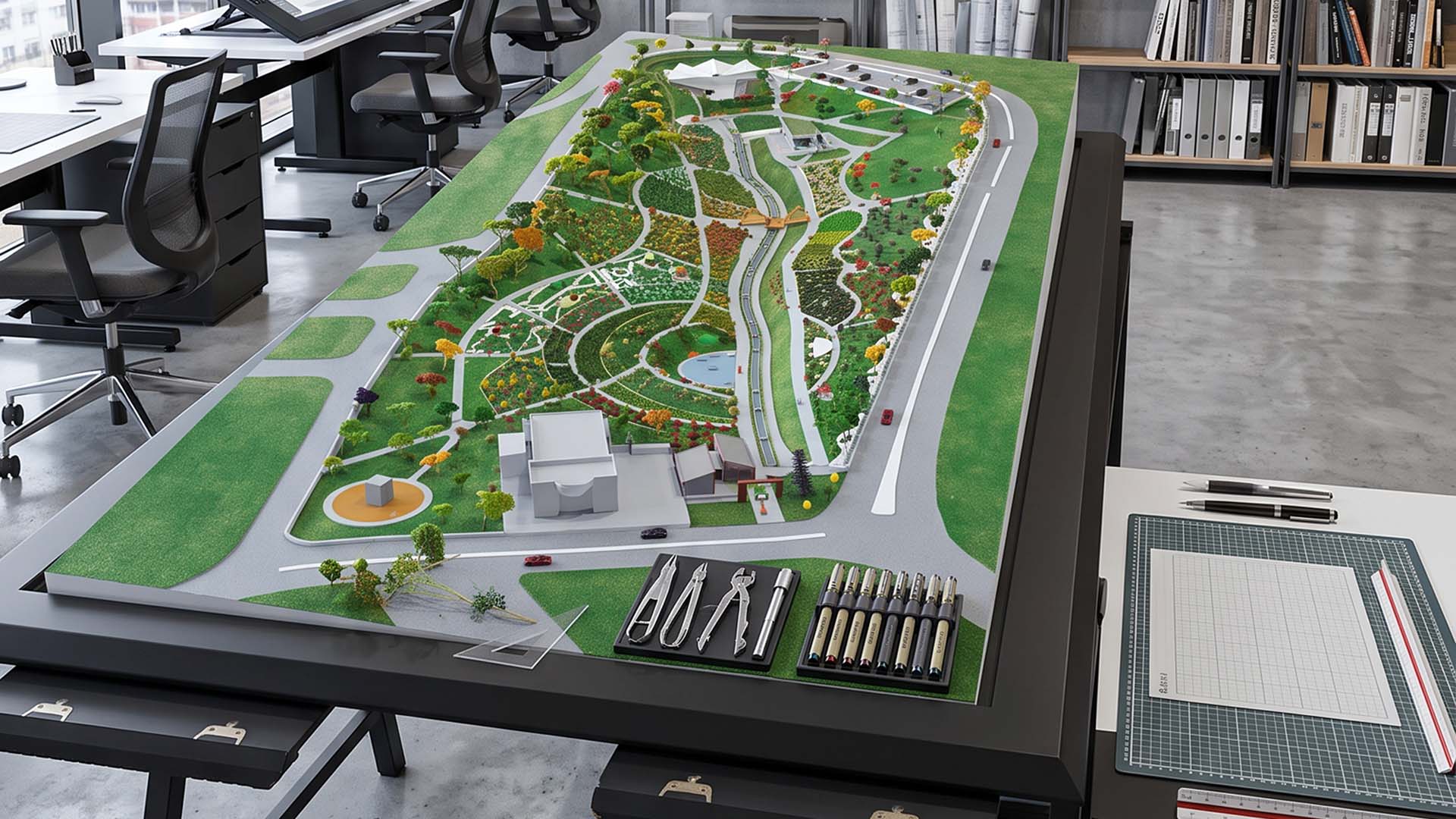
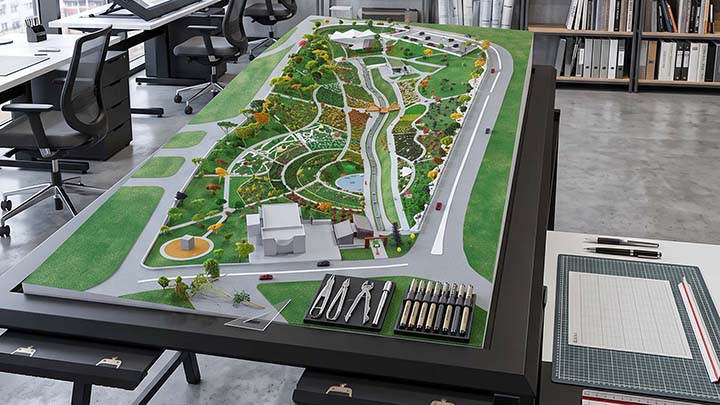
The design process required a three-dimensional reading of the terrain and was developed through physical model studies at different scales, allowing the relationships between levels and the proposed parcelation to be tested throughout the design process. Working collaboratively with our team, these models enabled us to continuously evaluate and refine the relationship between the existing site conditions and the proposed interventions.

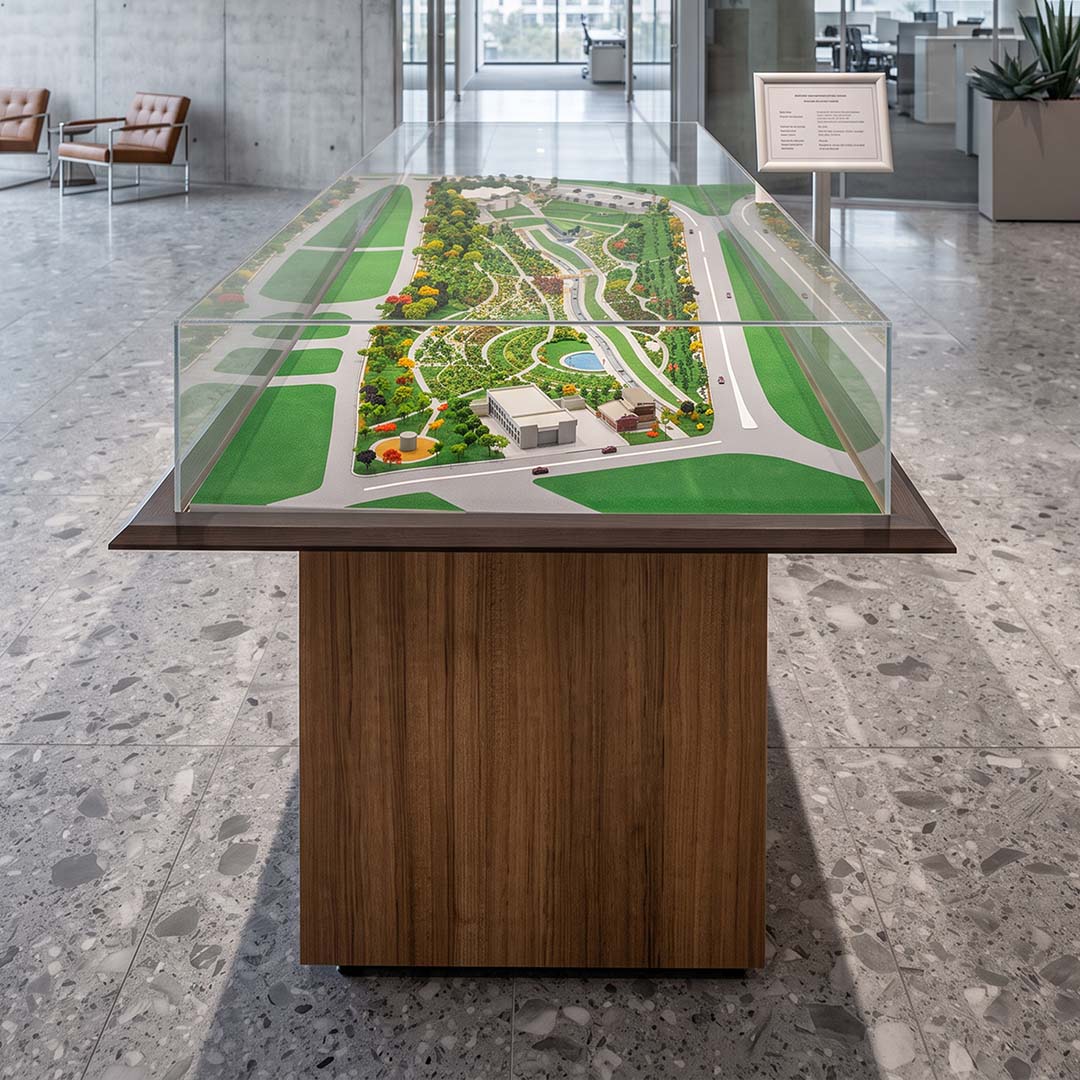
Upon completion of the project, a comprehensive presentation model incorporating the terrain and the principal design decisions was produced. The model remains on permanent display today in the main entrance hall of the Rectorate Building at Düzce University.


Planting System

The planting layer establishes the scientific framework of the project. The collection comprises 438 different species and was structured according to criteria including form, texture, colour and seasonal variation. The planting strategy also incorporates areas dedicated to the ex-situ conservation of 71 endemic taxa native to the region.

Seasonal cycles of flowering, leaf fall and growth allow the garden to be experienced not as a static composition, but as a continuously evolving landscape whose character changes throughout the year.

Built Programme

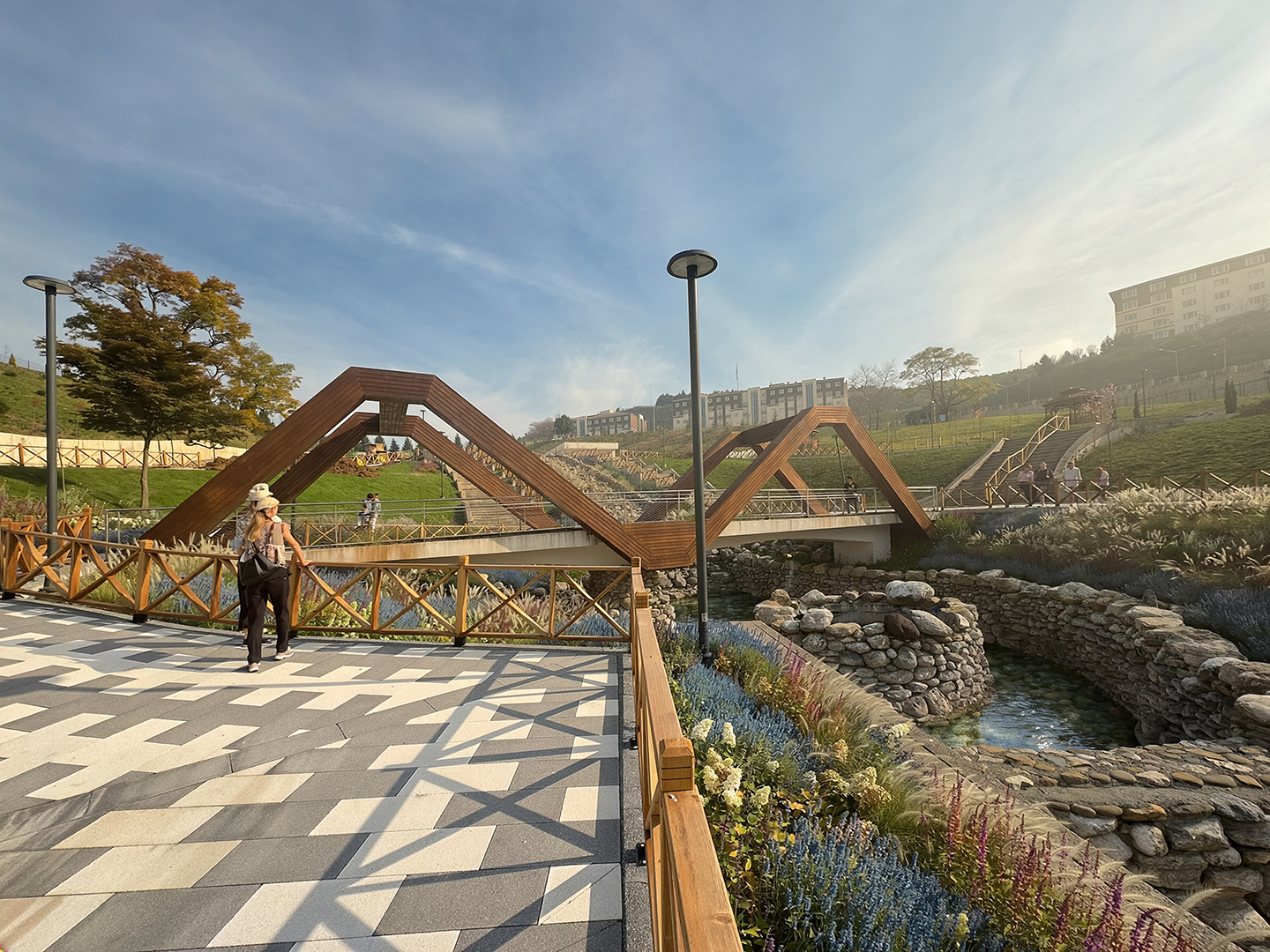
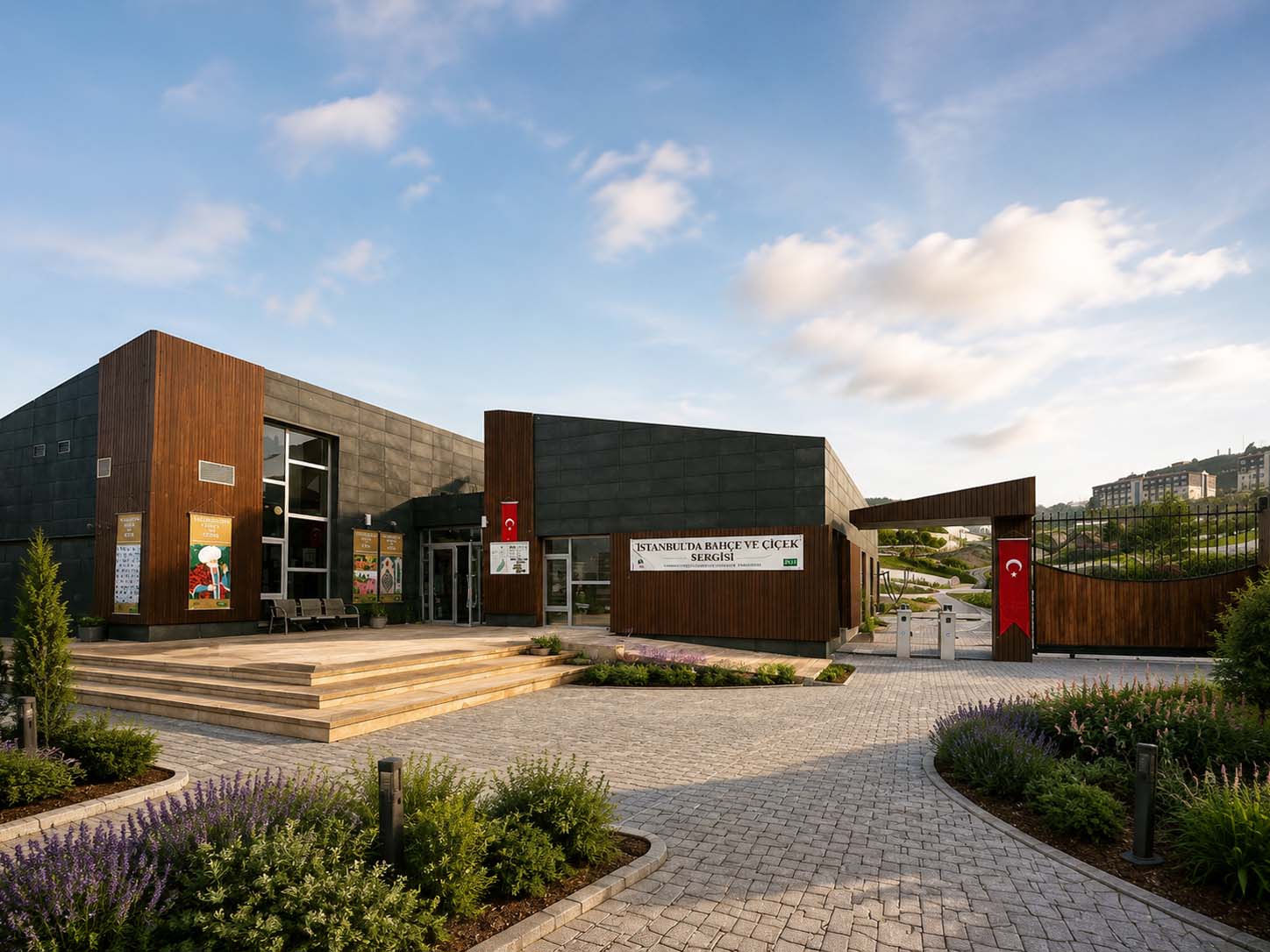
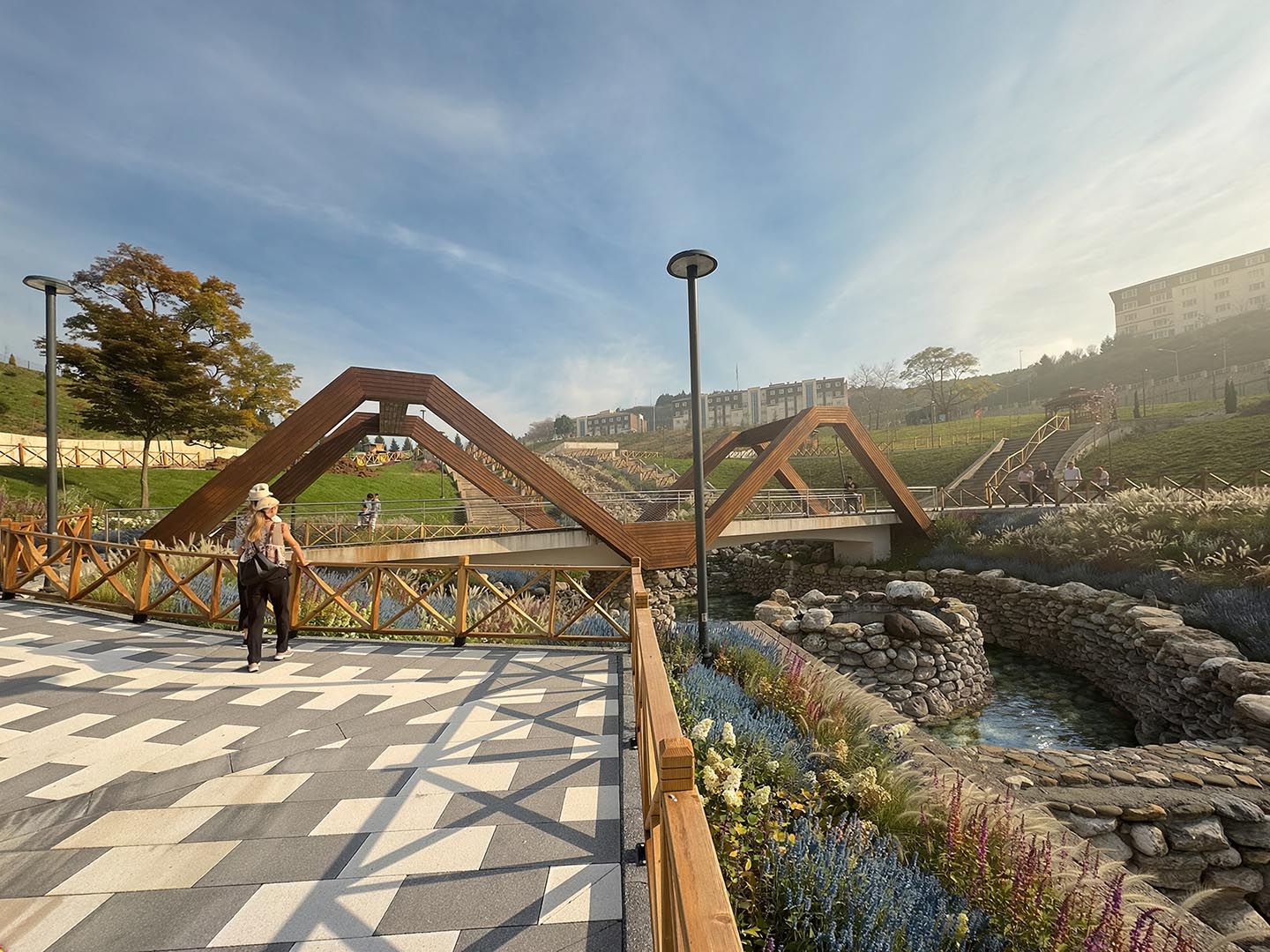
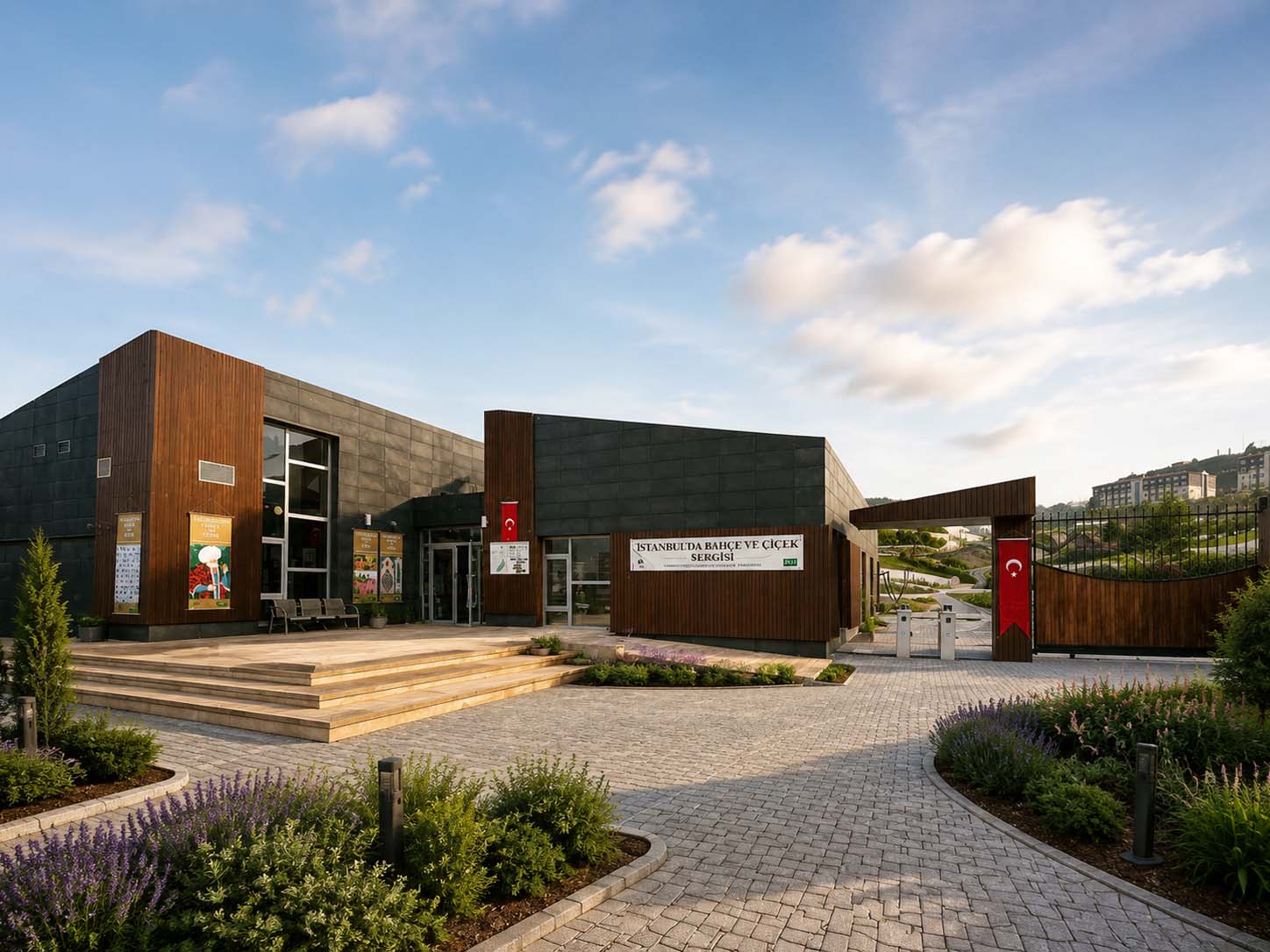
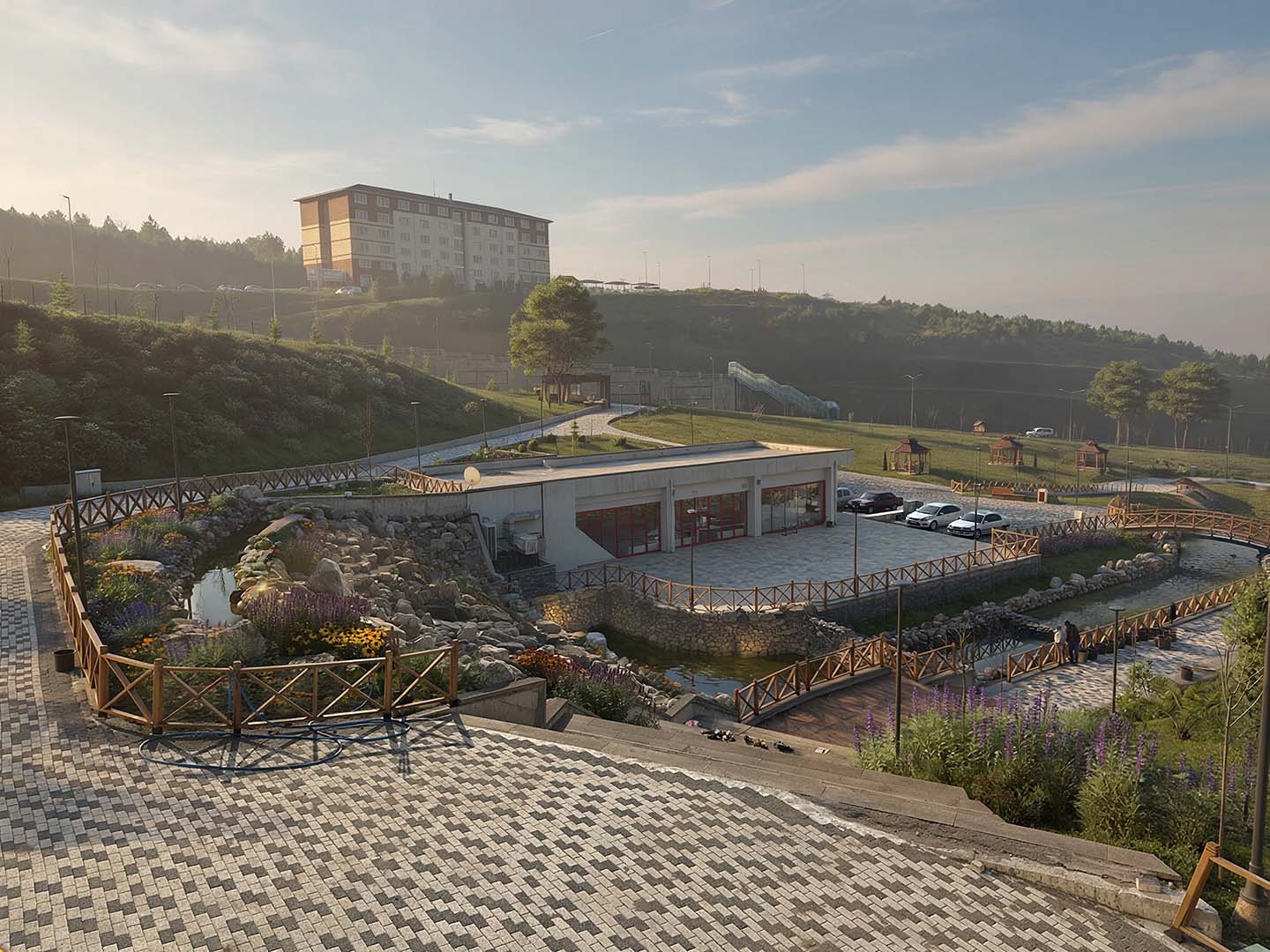
The built programme complements the planting system through a series of interventions that support the garden’s scientific mission while diversifying the visitor experience. A biological pond, timber and steel bridges, an open-air amphitheatre, the Nature House Museum and a café are distributed across different points of the valley, enabling the site to accommodate both scientific and social uses.


Project Output and Interaction

Shortly after its completion, the project was included in the BGCI (Botanic Gardens Conservation International) network, establishing the garden within an international framework of botanical garden conservation. It became one of only twelve botanical gardens in Türkiye included in the list, and one of six university-affiliated botanical gardens in the country.

Today, Düzce University Botanical Garden continues to function as a living landscape system that strengthens the relationship between the university campus and the city, while remaining open to continuous growth, ecological succession and transformation over time.

Selected Projects
Initiatives with Meaning
Cilimli Vocational College
In the district of Çilimli in Düzce Province, construction of our project is currently progressing, with financing provided by Düzce University. The Çilimli Vocational School is being built on a 7,000 m² site and comprises a built-up area of 1,900...
Read More
Konya Athlete Training Center
The building complex, with a total usable area of 20,360 m², was designed on a 38,862 m² site in line with the requirements of the Konya-Selçuklu Municipality as a sports training center for the Olympic Games. The project integrates sports, admini...
Read More
Kaynaşlı Vocational College
Kaynaşlı Vocational School, affiliated with Düzce University and located in the Kaynaşlı district of Düzce Province, is distinguished by its sustainability-focused design approach, which incorporates strategies to reduce the carbon footprint and u...
Read More